
Wow! I started poking around Solana analytics last year and kept getting pulled into different explorer tools. The first thing I did was compare token trackers for speed and clarity. The experience felt immediate with Solscan, which made me keep digging. It turned into a habit—checking holders, transfers, and mint histories whenever somethin’ odd popped up.
Really? Yes, really—there’s a lot of nuance in how explorers surface on-chain data. Some UIs focus on flashy charts while others let you chase raw events. For traders and engineers, the difference between a chart and a verifiable transfer log is huge. On one hand, pretty visuals sell; though on the other hand they sometimes hide critical program-level details.
Here’s the thing. Initially I thought on-chain data was objective and straightforward to parse. Actually, wait—let me rephrase that: it’s objective but messy, because events are contextual and token conventions vary across programs. My instinct said the right analytics tool should combine fast indexing, flexible filters, and clear provenance. When supply numbers disagree, those provenance threads are what save you time.
Whoa! Solscan consistently impressed me with speed and token exploration features. Their token tracker surfaces holders, transfers, snapshots, and mint histories without excessive clicks. I used it to validate airdrop snapshots and backtrace token migrations across program wrappers. That saved hours compared to cobbling together RPC queries and paper trails.
Seriously? I’m biased, but Solscan’s filters make token analytics actionable for everyday users. The interface lets you slice by date ranges, holder balance bands, and transaction types with few clicks, which is very very helpful. That said, some advanced cohort analyses still need exports and custom scripts. If you build or audit, you’ll often pull raw logs into Python or Rust for deeper correlation.
Hmm… there are tradeoffs between depth and simplicity in any explorer. For large ecosystems, graph visualizations reveal clusters and whale behaviors that flat tables hide. But trustworthy graphing requires normalization and clear labeling, otherwise you misread network activity. (oh, and by the way…) not all metadata is reliable, so you have to cross-check token metadata and program accounts.
Wow! Token trackers should handle wrapped tokens and CPIs gracefully. I’ve chased phantom supply numbers when a wrapped token didn’t expose mint authority, and that was a headache. Tools that expose mint authority, freeze authority, and historical snapshots reduce false alarms and speed audits. Somethin’ about provenance matters more than raw volume spikes.
Here’s the thing. For anyone building on Solana you want an explorer that’s fast, transparent, and surfaces program-level details. Linking inner instructions and CPI traces to token flows helps you understand not just where tokens moved, but why, and by which program. That context is crucial for incident response, compliance, and even product analytics when you need user cohorting.
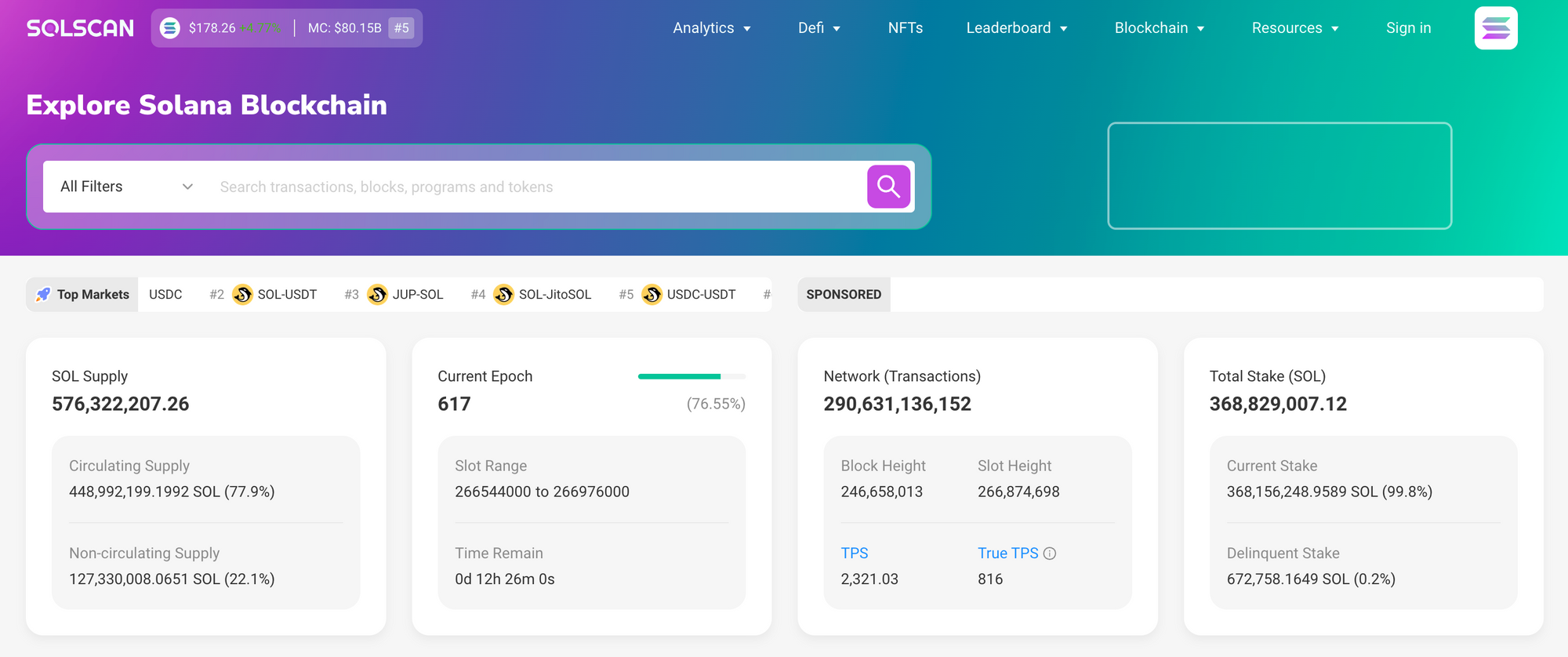
Try it yourself
If you want a hands-on look, check Solscan’s explorer for token insights and wallet analytics: https://sites.google.com/cryptowalletextensionus.com/solscan-explorer-official-site/ I use it as my first stop when a token behaves weirdly.
In practice, expect to do three things when auditing a token: inspect the mint and authority history, check holder concentration and recent large transfers, and trace swaps or liquidity migrations through DEX program logs. Sometimes a simple holder snapshot answers your question. Other times you need to stitch together inner instructions and CPI flows across multiple transactions.
FAQ
How reliable are Solana explorers for compliance checks?
Explorers like Solscan are useful for initial investigations and triage because they index transactions quickly and expose program data. For formal compliance you’ll often need exported logs and independent verification, since indexing delays or metadata gaps can affect results.
Can I trust token supply numbers shown in explorers?
Mostly, but verify. Differences can arise from wrapped tokens, delegated mints, or program-controlled accounts. A quick check of mint authorities and historical mint events usually clarifies apparent discrepancies.