
Whoa! I remember the first time I bridged crypto from a hardware wallet into a DeFi app — my heart skipped. Really? Yes. My instinct said “this is fine” and then somethin’ felt off about the approval screens. Initially I thought the danger was only from clever phishing sites, but then I realized the attack surface was much wider once smart contracts, bridges, and external signers enter the picture.
Here’s the thing. DeFi isn’t just another app on your phone. It asks your private key to authorize programmable behavior. That subtle difference changes how you think about key custody and backups. Short-term convenience often wears long-term risk masks. On one hand, using a hardware wallet isolates your keys. Though actually, wait—let me rephrase that: isolation helps, but it’s not a cure-all if you mishandle backups or delegate signing without understanding the contract.
I’ll be honest: this part bugs me. Too many people treat their seed phrase like a password. That’s not enough. A seed phrase is an inheritance plan, a legal instrument (in practice), and the master key to funds. If you use DeFi, you must upgrade your mental model. Treat keys as brittle and valuable. And yes, I am biased toward hardware-first workflows, but there’s a reason.
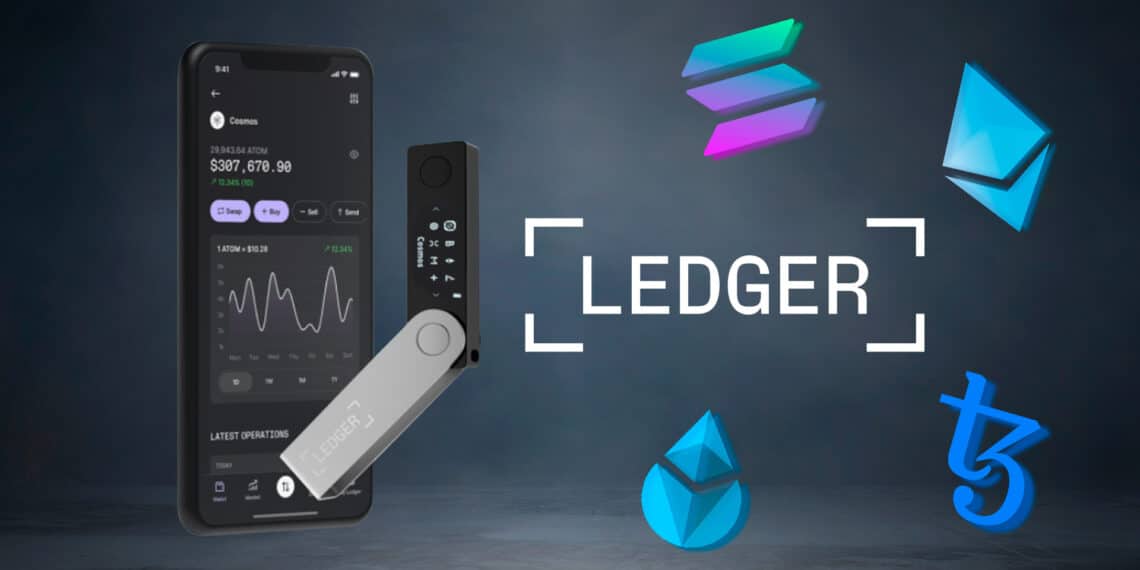
Why DeFi forces better key hygiene
DeFi transactions are programmable. Simple sentence. They can authorize many things at once. A single approval can let a contract move funds repeatedly, or forever, if you grant that permission. My gut said “no way” the first time I saw an infinite allowance request pop up — seriously? — and I revoked a lot of approvals that weekend. Systems thinking helps here. When you sign, you’re not just sending tokens. You’re delegating rules to code that may interact with other code later. If your private key is exposed, the attacker gets more than balance access; they get the ability to manipulate protocol-level interactions.
So, what’s different for backups? Two things. First, backups must survive time, disaster, and human error. Second, they must remain out of reach of the typical attack vectors that target DeFi users: social engineering, targeted malware, and contract exploitation. The practical upshot is: diversify backup methods, and assume a recovery will be attempted in stressful conditions.
On one hand hardware wallets reduce attack surface by signing off-device. On the other hand signing still requires interaction with a host device. You must be deliberate about host hygiene. I won’t pretend you can be 100% safe — I’m not 100% sure anyone can be — but there are layers that massively reduce risk.
Hardware wallets, air-gapping, and host hygiene
Use hardware wallets. Period. They keep private keys off the internet. Short and true. But do not stop there. Keep your wallet firmware updated. Yes, updates matter. They patch known vulnerabilities and improve UX for safer contract reviews. If you buy used hardware, reset it and re-seed it yourself. I’m telling you that from experience; I once bought a device in a rush (rookie move) and had to return it.
Air-gapped signing — that’s when the device never touches a connected computer for signature exchange — is the gold standard for many high-value users. It slows things down. It feels clunky. But it drastically reduces the window for malware to intercept signatures or tamper with transaction parameters. If you value speed over security, then DeFi probably isn’t the place to take shortcuts.
Host hygiene also matters: a clean, dedicated machine for interacting with large positions is a small pain with big benefit. Use a separate browser profile, limit extensions, and keep a hardware wallet for every significant account. Yes, multiple hardware wallets can be annoying, but the compartmentalization saves you when things go wrong.
Seed phrases and backups: strategies that survive
Write your seed phrase physically. Use a pen. Use a durable medium. Metal backups are worth their weight in peace of mind. Here’s a practical checklist:
– Do not take photos of your seed phrase. Seriously, never. Digital copies leak. They get uploaded accidentally, or stolen by cloud sync or malware. Wow!
– Store multiple, geographically separated copies. In practice, two or three secure spots reduces single-point-of-failure risk. But don’t scatter them so widely that you forget where they are. Memory is a weak link.
– Use redundancy with care. A common approach is “air-gapped primary + metal secondary.” Another is Shamir-style splitting, but that has trade-offs. Shamir (SLIP-0039 or similar) distributes shares so fewer than all can reconstruct the seed. That helps against single-location disasters but increases complexity. My experience says: if you pick Shamir, test restores more often.
Test restores. This is non-negotiable. A backup you haven’t restored is theater. At least once a year, perform a restore on a clean device to validate your process. I did a restore after moving states, and it revealed a missing word I’d accidentally abbreviate — lucky break. Don’t learn this the hard way.
Passphrases (BIP39 passphrase, sometimes called the 25th word) add another security layer. They make a seed phrase alone insufficient. But passphrases are double edged. If you forget the passphrase, the funds are lost forever. So, document it with the same rigour you give the seed. Use plausible deniability schemes if that helps you sleep. I’m biased toward a modest passphrase used with a metal backup and written redundancy.
DeFi-specific practices
Limit approvals. Use per-contract allowances when possible instead of infinite approvals. Use tools that let you review and revoke allowances. My instinct used to be “approve once, forget forever” — dumb, dumb move. Now I check approvals quarterly.
Use multisignature for shared or large holdings. Multisig reduces single-key risk. It also raises operational complexity — coordination, delays, and sometimes costs. But protecting treasury-level funds? Multisig is often the right call. On the flip side, multisig recovery requires coordination; ensure co-signers follow OPSEC too.
Consider spending wallets separate from cold storage. Keep a hot wallet for daily small trades, and a cold, deep-storage wallet for long-term holdings. This simple split limits blast radius when something goes wrong. It’s the same logic banks use with vaults and counters. The average user can do this with two hardware wallets and careful labeling.
When interacting with DeFi, validate contracts. Gas-fee checks are part of the process. Look at code when you can (or rely on audited contracts). Don’t blindly trust UI snapshots or social media endorsements. Contracts are permanent once executed; that permanence is both the beauty and the danger of DeFi.
Tools and workflows I recommend
Use official apps and verify sources. For Ledger users, pair your device with official software like ledger live for managing certain operations when supported. That single integration point helps reduce risk of fake apps. (Yes, the ecosystem still has impersonators, so verify signatures and checksums.)
Consider a hardware-passphrase manager (physically separate) and a tested metal backup. Use a password manager only for web credentials and not for seed phrases. I’m not saying password managers are bad — they are great for logins — but they are poor for seed custody because they remain online-adjacent.
Keep an operations checklist. Before any major DeFi move, tick boxes: verify contract address, confirm gas estimates, confirm device firmware, confirm device UI matches the transaction details, confirm no unexpected approvals. The checklist slows you down. The checklist saves you money.
FAQ
Can I back up my seed phrase electronically for convenience?
You can, but it’s risky. Electronic backups (photos, notes in cloud storage, email drafts) are common leak vectors. If you absolutely must, encrypt with strong, offline encryption and store the ciphertext on an offline medium — but honestly, for high-value holdings, stick to physical and metal backups. I’m not 100% sure everyone agrees, but experience shows physical is safer.
What’s the simplest way to protect myself when using DeFi?
Use a hardware wallet, limit approvals, keep a small hot wallet for daily use, and hold the remainder in cold storage with tested backups. Also: learn to read the device’s transaction confirmation screen. Your hardware wallet is your last line of defense; use it to verify what you’re signing.
Okay, so check this out — the mental model shift matters most. DeFi expands what a signature can authorize, and that matters for backup planning, key custody, and operational discipline. On one hand, DeFi offers powerful composability. On the other hand, that power increases attack surface and demands better human practices. My takeaway: assume complexity. Build for resilience. Keep things simple enough that you can restore them under pressure. And do regular drills.
I’m biased toward conservative setups. They cost time. They save money and grief. If you’re storing meaningful value, your approach to backups and private keys should be as disciplined as any serious asset manager. That’s a hard truth. It makes sense though, right? You wouldn’t leave a safe deposit box key under the welcome mat.