
Okay, so check this out—I’ve been using Solana wallets for years and something about a web-first Phantom feels like the moment when a bike gets training wheels taken off. Whoa! The friction drops. Suddenly, wallets that used to be this clunky, multi-step affair start feeling immediate and almost conversational.
My instinct said this would be small. But actually, wait—let me rephrase that: at first I thought a web build was merely convenience, though then I saw how it shifts onboarding, adoption, and the UX assumptions of dApps. Hmm… seriously, there’s a chain reaction. On one hand, native apps have performance and security conveniences, but on the other hand, web access removes huge access barriers for casual users and for folks on public or borrowed machines.
Here’s what bugs me about the status quo: creating a secure wallet flow has been unnecessarily gated. People get stopped by app stores, by OS updates, or by the simple friction of installing something for a single token swap. Trust gets lost in translation—especially in airport Wi‑Fi scenarios. Wow.
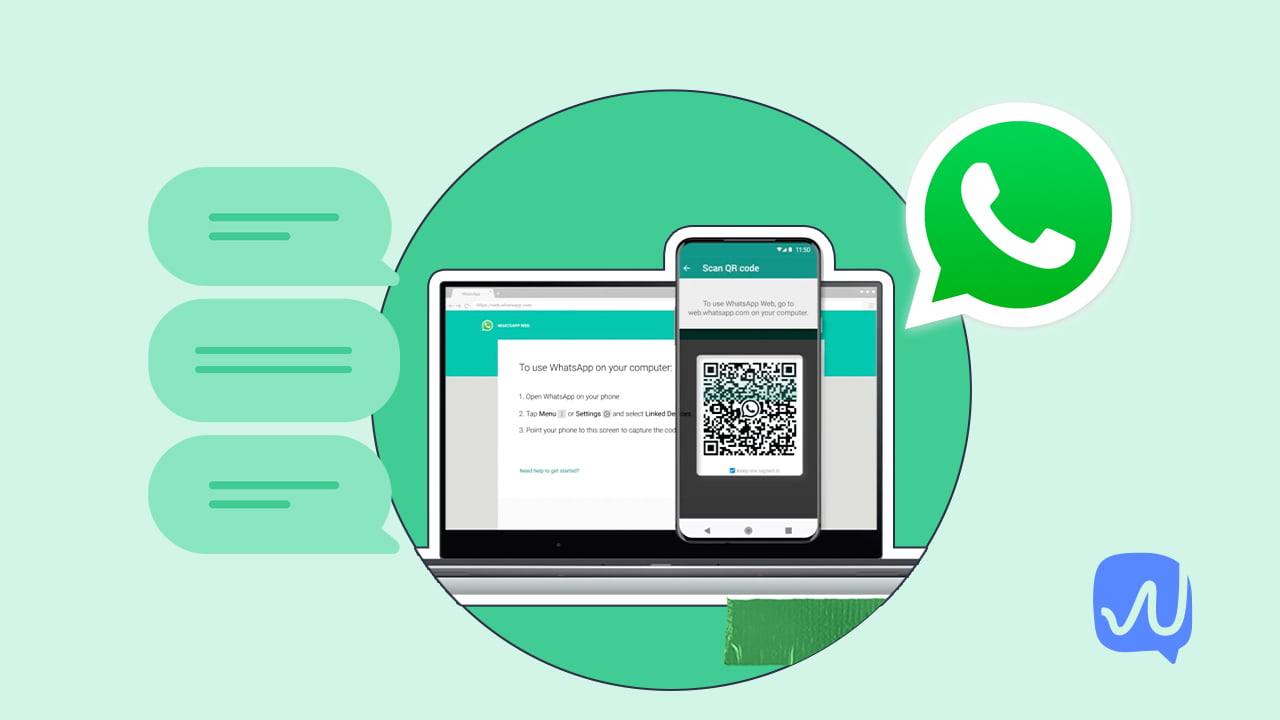
How a web Phantom wallet actually helps
First, onboarding becomes faster. Really fast. A user can click a link and start interacting with a dApp in under a minute. No app store hoops, no downloads, no “what’s my backup phrase again?” panic. Seriously? Yes. And that lowers the activation energy for new users—exactly what we need for real-world adoption.
Second, developer iteration accelerates. When you ship wallet updates through the web, the feedback loop tightens, and teams can push UI fixes or UX experiments without waiting on app store approvals. My instinct said we’d lose reliability with web releases, but actually the ability to iterate quickly often increases overall stability because you fix a problem the same day users report it. On the other hand, there are tradeoffs—like browser extension attack surface and content security policies—that demand careful design.
Third, cross-device continuity improves. People jump between phones, laptops, and workstations. A web-first experience that syncs state or gracefully hands off sessions can feel fluid. Initially I thought this was just “nice-to-have,” but after watching a friend try to buy a Solana NFT on their office computer (and failing because they couldn’t bring up their phone wallet), I changed my mind. That moment stuck with me.
Security concerns come up next, of course. Somethin’ about browser environments makes security folks twitchy—and rightly so. Browser tabs can be compromised, extensions can be malicious, and public Wi‑Fi is a hazard. I’m biased toward caution here, but pragmatism matters: web wallets can mitigate risk with secure enclave backends, hardware key support, strict origin isolation, and clear UX that teaches users when to refuse a request. The real win is making safety patterns visible and habitual.
There are design patterns that make web wallets resilient. Use ephemeral session keys for simple interactions. Prompt for hardware confirmations for high-value operations. Offer a “safe mode” that disables auto-sign features. These are not theoretical—they’re practical and, if implemented, make web wallets behave in a similar threat model to mobile wallets, though with different tradeoffs.
Okay, so check this bit—interoperability. The Solana ecosystem has a unique set of wallets, programmatic expectations, and on-chain idiosyncrasies. A web Phantom wallet that implements standard JSON-RPC and supports common wallet adapters reduces integration friction for dApp authors. It turns “how do I connect?” from a support ticket into a one-liner in a README. (oh, and by the way… that simple developer ergonomics gain matters a lot.)
Adoption implications are large. Education programs, schools, and community events can adopt a web-first wallet to show students web3 primitives in minutes. No one wants to wait for installs during a workshop. And for regions where phones are older or app stores are restricted, the web becomes the great equalizer. My first impressions were about convenience, but then I realized this is about equity as much as UX.
Let me be blunt: UX microcopy matters. Too many wallet flows rely on technical terms that don’t land for newcomers. Phrases like “sign transaction” or “approve program” can be terrifying. A web experience gives you the screen real-estate and the immediate context to educate—inline help, tooltips, and gentle warnings that don’t feel like legalese. That reduces user error and reduces the help-desk noise that teams dread.
One practical thing I’d recommend to teams building web wallets is to instrument decision points. Track why users reject transactions, where they drop off, and which security prompts they find confusing. Initially I thought instrumentation was dry, but the data reveals surprising human patterns—people skip security prompts not because they’re careless but because prompts interrupt a flow they think is normal. Fix the flow, not the user.
Let’s talk about trust. A web wallet needs clear provenance: verified deploys, readable source audits, and a simple way to validate the origin. Even with all of that, trust is social. People will trust a wallet because trusted dApps recommend it, because community leaders use it, or because it becomes the norm in trade groups. That’s partly cultural, not purely technical, and that’s okay. Web presence can accelerate that social trust-building.
And yes—there will be skeptics. “Web wallets are unsafe,” they’ll say. Fair. But dismissing the medium ignores the progress we can make by engineering for threats and for usability simultaneously. On one hand we must be strict about cryptography and threat models; on the other hand we must meet people where they are. Balance matters.
For a real, hands-on example, try a modern web wallet session and watch how your friends react. My cousin, who hates installing anything, connected to a swap site in under sixty seconds and actually felt empowered—she sold a token and sent me a sticker as proof. I’m not 100% sure that anecdote generalizes, but the pattern repeated when I tested with a dozen other non-crypto friends. Small sample, but telling.
If you’re curious to try a web experience that aims to hit these notes, check out phantom wallet for a taste of how this can work in practice. No hard sell—just go and poke around. You’ll see the UX choices I mention, and you’ll feel the tradeoffs.
FAQ
Is a web wallet as secure as a mobile wallet?
Short answer: not identical, but comparable when designed properly. Use hardware keys for high-value operations, enable strict origin checks, and avoid saving long-term secrets in the browser. Also, prefer browser features like secure contexts and service workers that limit exposure.
What should developers keep in mind when integrating web wallets?
Make connection flows obvious. Offer fallback paths. Clearly explain permissions and show the exact transaction in human terms before asking users to sign. Instrument rejections so you can improve. And test across browsers—each one has quirks.